- Aug 12, 2025
What I Really Think About Carwashes
- Michael Mankarious
As a car enthusiast—or just someone who cares a lot about their car—you probably fall into one of two camps when it comes to carwashes: Never, ever, or It's fine.
For most of my adult life, I've seen carwashes as the place where car owners unknowingly subject their paint to a slow, swirling demise. As someone who can spot a "carwash victim" from across the parking lot, I know it's real. So why are carwashes more popular than ever? And is there ever a time when a purist like me might actually pull in and pay for one?
Types of Carwashes
There are three main types:
Automatic with brushes
Touchless (no brushes)
Hand wash
Automatic Carwashes
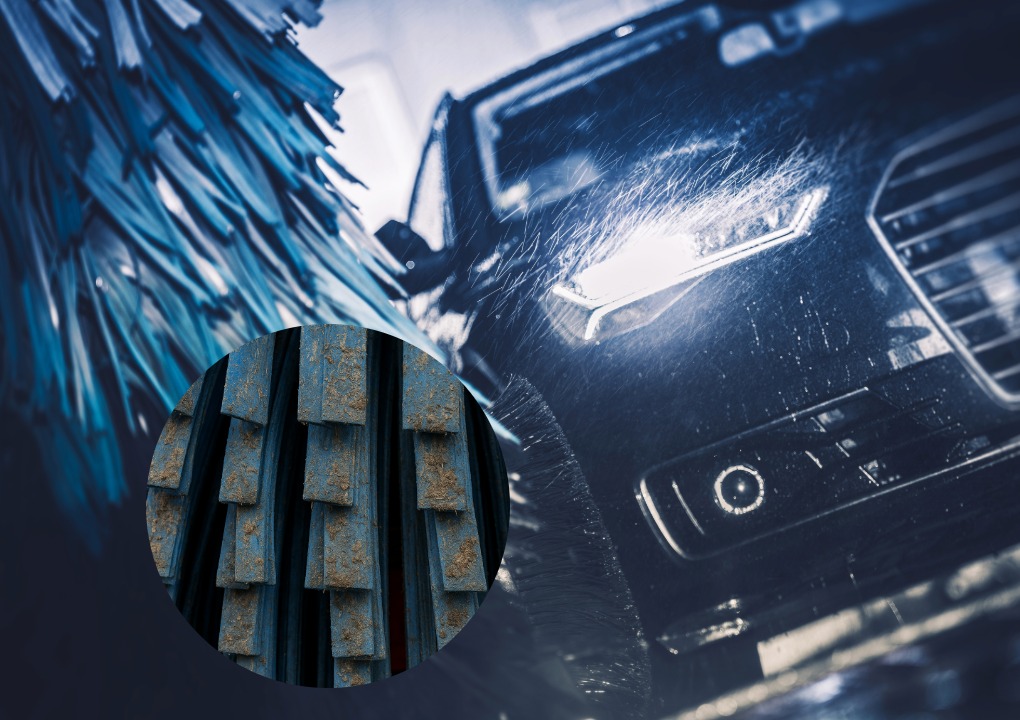
These use spinning brushes that hit every part of your car as you roll down the tunnel through pre-rinse, wash, rinse, and dry phases. The mechanical action of the brushes combined with cleaning chemicals makes them very effective, at least in terms of dirt removal.
Touchless Washes
No brushes, no contact—just water pressure and cleaning chemicals. Because there's no physical scrubbing, these washes often use stronger chemicals to make up for it. The upside: less risk of scratches. The downside: they usually don't get the car as clean as brush washes.
Hand Washes
Done entirely by people: washing, rinsing, and drying by hand. Sounds like the premium option, but in many cases, the mitts and towels used aren't of the highest quality and are often reused on multiple cars without being cleaned in between. That means the potential for scratches is still there.
The Problem with Carwashes
The biggest issue, of course, is the scratch-inducing contact, mainly from brushes and reused mitts. Touchless washes avoid that, but you might drive away with the feeling your car could still use another cleaning.
Another dirty little secret: some carwashes spend as little as possible on chemicals (sometimes only $1 to $2 worth per car) and may even dilute them further. Not every wash does this, but it happens.
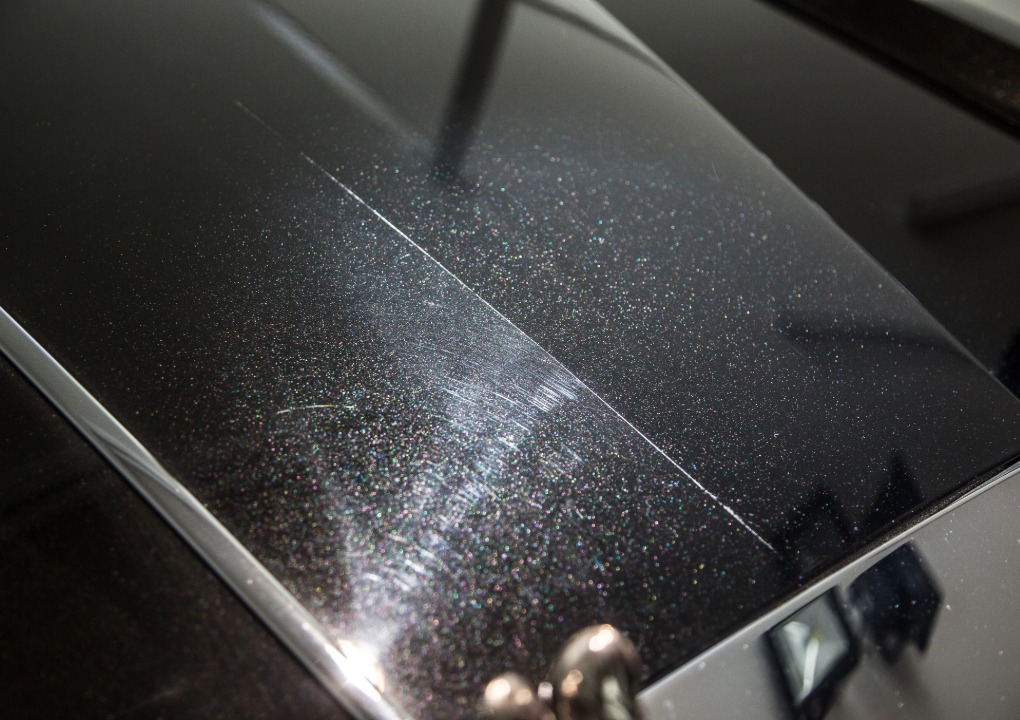
Add in brushes loaded with dirt and debris from all the cars before yours, and you have a recipe for swirl marks—those fine, spider-web-like scratches that dull your paint over time, especially on darker colors.
The Matter of Time
So why do people use them? One word: convenience. Ten minutes in and out, free vacuums, and you're back on the road with a car that looks mostly clean. For busy people, that's hard to pass up.
Finding Middle Ground
If you care about your paint but still need the convenience, here's how to minimize damage:
Avoid weekend rushes – Brushes get dirtier with every car.
Go early in the morning – Be one of the first through.
Mid-week is best – Tuesdays and Wednesdays are usually slower.
Skip the post-rain rush – Wait a day or two after.
Be considerate – If your car is caked in mud from off-roading, rinse it first.
And when possible, wash at home using the safe wash methods I've shared in earlier issues.
Final Thought
Carwashes exist because there's a demand for them. If you must go, make it less frequent, choose your timing wisely, and stick to at-home washes whenever possible. Your paint will thank you.
Frequently Asked Questions
Q: Do automatic car washes damage paint?
Yes, automatic car washes with brushes can damage paint over time by creating swirl marks and fine scratches. The spinning brushes accumulate dirt and debris from previous cars, which then gets dragged across your paint surface. This damage is especially visible on dark-colored cars. The scratches appear as spider-web-like patterns that dull your paint's shine. If you must use an automatic wash, go early in the morning when brushes are cleanest, or choose a touchless option instead.
Q: Are touchless car washes safe for your car?
Touchless car washes are safer than automatic brush washes because there's no physical contact with your paint, which means less risk of scratches and swirl marks. However, they use stronger chemicals to compensate for the lack of scrubbing action, and they often don't clean as thoroughly as brush washes. While touchless washes won't scratch your paint, you may still need to do some hand cleaning afterward for stubborn dirt and grime.
Q: What's the best time to go to a car wash?
The best time to go to a car wash is early in the morning on a Tuesday or Wednesday. Going early means you'll be one of the first cars through, so the brushes and mitts are cleaner with less accumulated debris. Mid-week days (Tuesday and Wednesday) are typically slower than weekends, resulting in less dirt buildup on equipment. Avoid going on weekends, after rain, or during rush hours when brushes are dirtiest from high traffic.
Q: Do car washes cause swirl marks?
Yes, car washes are a primary cause of swirl marks on car paint. Automatic car wash brushes pick up dirt, sand, and debris from every previous car, then drag that contamination across your paint at high speed. Hand car washes can also cause swirl marks when workers use low-quality mitts and towels that aren't properly cleaned between cars. These fine, circular scratches accumulate over time and are particularly visible on black and dark-colored vehicles in direct sunlight.
Q: What are the three types of car washes?
The three main types of car washes are automatic with brushes, touchless, and hand wash. Automatic car washes use spinning brushes and are most effective at removing dirt but pose the highest scratch risk. Touchless washes use only water pressure and chemicals with no physical contact, offering less scratch risk but often leaving the car less clean. Hand washes are done entirely by people but can still cause scratches if workers use low-quality mitts and towels or reuse them without proper cleaning between vehicles.
Q: Are hand car washes better than automatic?
Hand car washes aren't necessarily better than automatic washes. While they sound premium, many hand car washes use low-quality wash mitts and drying towels that are reused on multiple cars without being cleaned in between. This means dirt and debris from previous cars can scratch your paint just like automatic brush washes. The quality varies significantly between facilities. A proper hand wash with clean, high-quality microfiber towels is best, but that's typically only achieved when you wash your car yourself at home.
Q: How often should you go to a car wash?
If you must use commercial car washes, make visits as infrequent as possible to minimize paint damage. Ideally, wash your car at home using proper techniques and quality microfiber towels. If home washing isn't feasible, choose touchless washes over brush washes, go during off-peak times (early morning, mid-week), and supplement with home washes when you can. The less frequently your paint contacts car wash brushes and reused mitts, the better it will look over time.
Q: Why do car washes use cheap chemicals?
Many car washes use inexpensive chemicals to maximize profit margins, sometimes spending only $1 to $2 worth of product per car. Some facilities further dilute these already-cheap chemicals to cut costs. While not every car wash does this, it's common enough to be a concern. These diluted or low-quality chemicals may not clean as effectively, meaning your car might not get as clean as you'd expect, especially when combined with touchless washes that rely entirely on chemical action.
Q: Should you wash your car after off-roading before going to a car wash?
Yes, you should rinse your car at home first if it's caked in mud or heavily soiled from off-roading. Taking an extremely dirty car through a car wash loads the brushes with extra dirt and debris, which then gets transferred to every car that follows yours. Being considerate means rinsing off the worst of the mud and grime before visiting a commercial car wash, which helps protect both your paint and other customers' vehicles.
Q: What's the safest way to dry your car after washing?
The safest way to dry your car is using a high-quality microfiber drying towel like the Autofiber Dreadnought. These towels are extremely soft, highly absorbent, and won't scratch your paint when used properly. Avoid using regular bath towels or low-quality cloths that can trap dirt and create scratches. Never use fabric softener when washing microfiber towels, as it reduces their absorbency. Quality drying towels can be washed dozens of times and provide scratch-free drying for years.