- Sep 21, 2025
Tire Shine Showdown
- Michael Mankarious
Why Quality Matters
Most car owners want tire shine that looks great, lasts long, and doesn't break the bank. However, when it comes to what's inside the bottle, questions always come up: Is it silicone-based? Is it water-based?
The truth is, not all tire shine products are created equal, and whether or not it has silicone isn't the correct question. Understanding the differences helps you pick the right product. One that not only makes your tires look their best but also keeps them healthy in the long run.
What Are Tire Dressings?
Think of tires as your car's shoes. A good-looking set of tires finishes off a detail just as polished shoes complete an outfit. Tire dressings enhance the appearance of your tires with a deep black finish while also protecting rubber from environmental stress like sun, ozone, and road grime.
Dressings generally fall into two categories:
Water-based silicone emulsions
Solvent-based dressings (made with silicone oil or petroleum)
Here's how they compare.
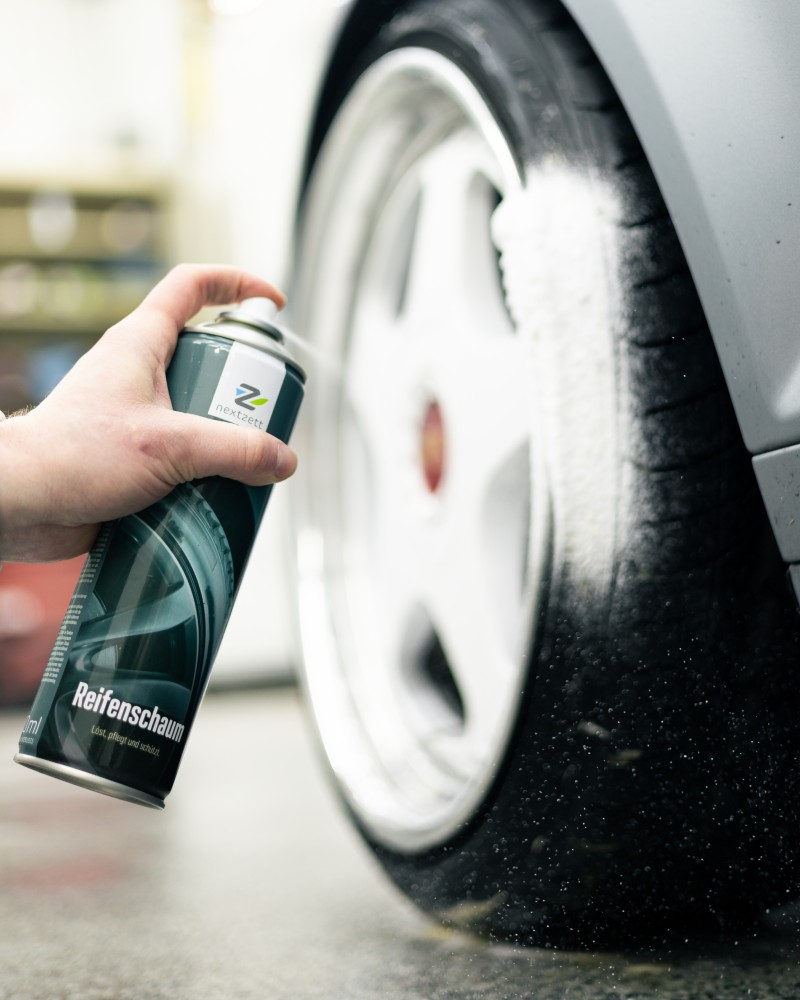
Water-Based Dressings
Pros:
Low sling risk
Natural satin to semi-gloss finish
Safer for rubber long term, conditioning instead of drying
Easier cleanup
Cons:
Shorter durability, especially in rain or after a wash
Needs more frequent reapplication
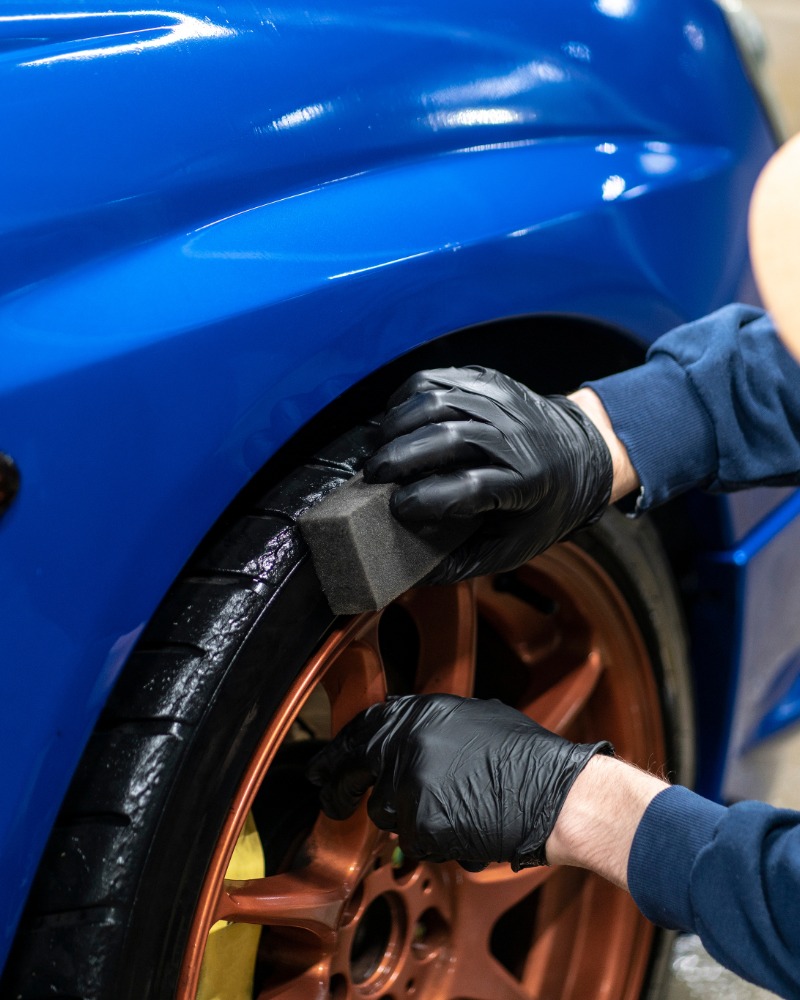
Solvent-Based (Silicone Oil or Petroleum-Based) Dressings
Pros:
High-gloss "wet look" finish
More durable and water-resistant
Typically lasts longer between applications
Cons:
Attracts dust and dirt
Can sling onto paint if over-applied
Cheaper petroleum-heavy formulas may dry rubber over time
Strong odor during application
Overview: Durability vs Appearance
Water-based dressings used to fade quickly, but today's formulas last much longer. Solvent-based options often outlast them, but the tradeoff is dust attraction and potential long-term tire damage.
The old-school, oily high-gloss look has also lost favor, with many enthusiasts now preferring a clean, satin finish. Add to that environmental regulations limiting petroleum-based formulas, and water-based dressings have a clear edge for most drivers.
Does UV Protection in Tire Dressings Matter?
That brownish discoloration you see on tires? It's actually protective UV and ozone inhibitors surfacing as the rubber defends itself. The issue is that petroleum-based dressings can break down those inhibitors, leaving tires exposed.
High-quality water-based dressings with built-in UV protection and anti-ozonants strengthen that defense. For example, nextzett Vinyl-Rubber Extra and nextzett Tire Foam provide added protection while keeping a consistent finish.
Which Lasts the Longest?
Solvent-based dressings usually outlast water-based, but not always. Thick gels often look durable yet fail the quickest—modern water-based products rival solvent-based formulas, offering the added benefit of being safer for rubber.
In terms of appearance, this goes to water-based dressings. That natural satin look is now the preferred finish over a glossy, oily shine.
Which Are Easiest to Apply?
Water-based dressings: Wipe-on, easy to control, and less messy
Solvent-based gels: Thick, harder to spread, and prone to sling if applied too heavily
Can You Use Tire Dressing on Trim and Fenders?
Water-based dressings: Generally safe on trim and vinyl surfaces
Solvent-based dressings: Risk of streaking, staining, or adhesion issues if switching later. If that happens, clean thoroughly with a degreaser or a strong detergent, such as Nextzett Plastic Deep Cleaner, before applying a water-based dressing.
Why Quality Matters More Than Price
The big question: why pay almost twice as much for what looks like the same type of product?
The answer is in the formulation. Higher-quality dressings use refined silicones and balanced carriers that condition rubber without drying it. Cheaper dressings rely on petroleum solvents that evaporate quickly, leaving tires worse off.
Tire manufacturers often trace premature failure back to low-quality dressings. A quick test: wipe a cracked tire. If your finger picks up an oily residue, petroleum-heavy products have been at work.
Using a quality water-based tire shine product combines cleaning, conditioning, and shine in one, with UV protection and anti-ozonants built in. It costs more upfront, but it saves time, money, and your tires in the long run.
Closing Takeaway
For long-term tire health, easy application, and a modern satin finish, choose a high-quality water-based dressing. Products like nextzett Tire Foam and Vinyl-Rubber Extra provide the protection and look today's drivers want, while avoiding the pitfalls of cheap, petroleum-heavy alternatives.
Frequently Asked Questions
Q: What's the difference between water-based and solvent-based tire shine?
Water-based tire shine uses silicone emulsions in a water carrier, offering low sling risk, natural satin to semi-gloss finish, safer rubber conditioning, and easier cleanup, but requires more frequent reapplication. Solvent-based tire dressings use silicone oil or petroleum in a solvent carrier, providing high-gloss wet look, more durable water-resistant protection, and longer lasting results, but attract dust, can sling onto paint if over-applied, may dry rubber over time with cheaper formulas, and have strong odors. Water-based dressings are generally safer for long-term tire health while solvent-based offer more durability.
Q: Which tire shine lasts the longest?
Solvent-based tire dressings usually last longer than water-based, but modern water-based products now rival solvent-based formulas in durability. Surprisingly, thick gels that look durable often fail the quickest. High-quality water-based dressings like nextzett Tire Foam and Vinyl-Rubber Extra offer competitive longevity with the added benefit of being safer for rubber long-term. Durability also depends on weather conditions—water-based products may need reapplication after rain or washing, while solvent-based resist water better but attract more dust.
Q: Is water-based or solvent-based tire shine better?
Water-based tire shine is better for most drivers because it offers long-term tire health, easy application, modern satin finish, conditioning without drying rubber, low sling risk, and safer use on trim. Solvent-based may be preferred only if you specifically want a high-gloss wet look and maximum durability between applications. However, cheap petroleum-heavy formulas can dry rubber over time, attract dust, and potentially damage tires. For the best balance of protection, appearance, and tire longevity, choose high-quality water-based dressings.
Q: Does tire shine damage tires?
Cheap petroleum-heavy tire dressings can damage tires by breaking down UV and ozone inhibitors that protect rubber, leading to premature cracking and failure. Tire manufacturers often trace premature tire failure back to low-quality dressings. A quick test: wipe a cracked tire—if your finger picks up oily residue, petroleum-heavy products have been at work. High-quality water-based dressings with built-in UV protection and anti-ozonants actually strengthen tire protection while conditioning rubber safely. Quality matters more than price when it comes to long-term tire health.
Q: What causes tire shine to sling onto paint?
Tire shine slings onto paint when too much product is applied, especially with solvent-based dressings that are more liquid and less viscous. Water-based dressings have low sling risk because they're easier to control during application. To prevent slinging with any tire dressing: apply thin, even coats; wipe off excess product; allow proper drying time before driving; and avoid over-application on tire sidewalls. Gels and foams are generally less prone to slinging than spray-on liquid formulas.
Q: Does UV protection in tire dressing actually work?
Yes, UV protection in tire dressing works and matters significantly. The brownish discoloration on tires is actually protective UV and ozone inhibitors surfacing as rubber defends itself. Petroleum-based dressings can break down these natural inhibitors, leaving tires exposed to UV damage. High-quality water-based dressings with built-in UV protection and anti-ozonants strengthen that defense, preventing premature cracking and aging. Products like nextzett Vinyl-Rubber Extra and nextzett Tire Foam provide added UV protection while maintaining a consistent finish.
Q: Can you use tire shine on plastic trim?
Water-based tire dressings are generally safe on trim and vinyl surfaces, making them versatile for exterior plastic protection. Solvent-based dressings risk streaking, staining, or adhesion issues on trim, especially if you later switch to water-based products. If you've used solvent-based dressing on trim and want to switch, clean thoroughly with a degreaser or strong detergent like Nextzett Plastic Deep Cleaner before applying water-based dressing. For best results, use dedicated trim products rather than tire dressing on painted or textured plastic surfaces.
Q: Why is water-based tire shine easier to apply?
Water-based tire dressings are easier to apply because they're wipe-on formulas that are easy to control with less mess than solvent-based products. They spread evenly, don't require perfect technique to avoid streaking, and clean up easily if you get product on unintended surfaces. Solvent-based gels are thick and harder to spread evenly, while solvent-based sprays are prone to sling if applied too heavily. Water-based products also have less overspray and don't leave oily residue on applicators or hands.
Q: What finish does tire shine give?
Water-based tire dressings provide a natural satin to semi-gloss finish that's now the preferred modern look, avoiding the oily, overly shiny appearance. Solvent-based dressings deliver a high-gloss wet look that was popular in the past but has lost favor with most enthusiasts. The satin finish from water-based products looks cleaner and more refined, while the wet look from solvent-based can appear too glossy and attract visible dust. Finish preference is personal, but the trend has clearly shifted toward the more subtle water-based appearance.
Q: Why do expensive tire dressings cost more?
Higher-quality tire dressings cost more because they use refined silicones and balanced carriers that condition rubber without drying it, while cheap dressings rely on petroleum solvents that evaporate quickly and leave tires worse off. Quality dressings combine cleaning, conditioning, and shine in one application with UV protection and anti-ozonants built in. They cost more upfront but save time, money, and your tires in the long run by preventing premature cracking and failure. The formulation quality makes the difference—you're paying for long-term tire protection, not just temporary shine.