- Feb 6
The Three Levels of Paint Protection: Real Durability, Honest Chemistry, and Why Most "SiO2" Products Are Fake
- Michael Mankarious
Quick Take
Over the years, paint protection has evolved just as cars have. From carnauba waxes to synthetic waxes to today's ceramic coatings, you have options, and you're no longer relegated to a few weeks of protection. Now you can get years of protection with a single application. But which type of protection is right for you?
We'll look at the three levels of paint protection you have available, based on your needs: different chemistries, different durability, and different price points. And to top it off (pun intended), we'll cut through the marketing confusion.
Why This Matters
If there's one thing the car care product industry loves, it's confusing terminology. In the over 25 years I've been in this industry and watched it evolve, I've seen words and claims thrown around. Who doesn't want a "nano-ceramic-infused-polymer-SiO2-hybrid detail spray" protecting their new ride? And with everyone trying to one-up each other, it gets more complicated.
My goal here is to help you cut through the industry lingo mumbo jumbo and make the right product choice.
The Three Levels
LEVEL 1: Polymer-Based Sprays
Chemistry: An evolution of traditional carnauba wax, polymer sprays use synthetic polymers (acrylic, siloxane) in a carrier that evaporates, leaving behind a film of polymers bonded to the paint. They leave a nice gloss finish and protection. Commonly used as a detail spray or a drying aid (which uses water-activated polymers).
Durability: 2-6 weeks, realistic. Anything longer is marketing hype. Polymers cannot withstand prolonged exposure unless the conditions are ideal: temperate weather and limited washing.
Application: Polymer-based products are among the easiest to use, which is why they're so popular. Spray on and wipe off. Some are applied to dry paint, and others use water-activated polymers, which are sprayed on wet paint and used as a drying aid.
Use case: Weekly/bi-weekly maintenance, after every wash. When used regularly, you'll notice improvements in protection and finish. That's where the months of protection claim come in.
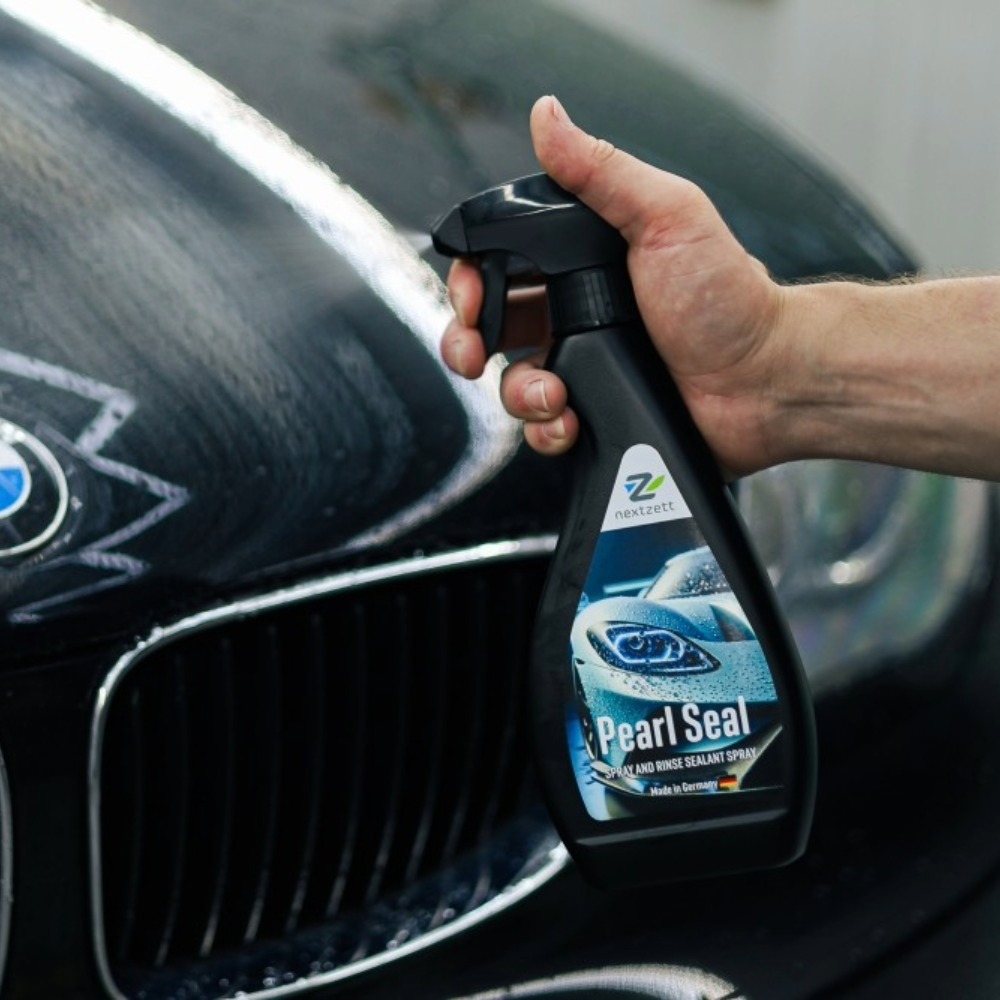
Cost: $15-25/bottle. There is very little difference between these price points. The higher price point might reflect higher-quality ingredients. But in terms of performance, there's very little difference.
Examples category: Polymer-based products come in various forms, including quick detailers, spray waxes, polymer sealants, and drying aids.
LEVEL 2: SiO2 Hybrid Sprays
Chemistry: This is where a lot of the marketing hype lies. Very few products in this category are formulated with actual silicon dioxide (SiO2) nanoparticles and polymers. Many are really Level 1 polymer-based products purporting to be Level 2 SiO2 sprays or ceramic sprays. They contain siloxanes, not silicon dioxide (SiO2).
Durability: Real SiO2 sprays can last for months, not just weeks. On average, 1-3 months realistic (for REAL SiO2 products).
Application: Some are formulated to spray on dry; others, wet; and others both wet and dry. Choose the type that best serves you. Some prefer the convenience of spraying on the paint while it's wet, accomplishing the application and drying at the same time, rather than drying, then applying and wiping. Application varies by product - some rinse, some wipe.
Use case: With durability lasting months, an application every few months is realistic. It's about as close as you can get to ceramic coatings without the commitment of time and money.
Cost: Still within reason at $20-35/bottle. But as you move toward the higher end of this range, you're approaching the low end of ceramic coatings, with more durable protection. A middle ground is a good place to be.
Note: As mentioned, many of the exaggerated claims (I'm being generous) fall into this category, with many polymer-based products masquerading as SiO2. We'll cover how to spot fakes in a future article.
LEVEL 3: Ceramic Coatings
Chemistry: Here's where the long-lasting real deal is. Ceramic coatings became more prominent around 2010. I'll be honest with you – I didn't believe the hype. It reminded me of old-school products from the 80's and 90's, such as Klasse, Zaino, and Liquid Glass, which would leave a clear, semi-permanent layer of acrylic polymers and actually last at least six months, leaving a very high-gloss finish. But here's the thing - those were just really good polymers. They weren't "liquid glass" - there was no glass or silica in them. Great products, misleading names. That taught the industry that you could call a polymer spray anything you want.
Today's ceramics are the real deal and now last at least 1 year, up to 10 years (but with a caveat). Let's say 1-5 years. Unlike "Liquid Glass," ceramics are real and look great. They are made with silicon/titanium dioxide precursors that cross-link and cure.
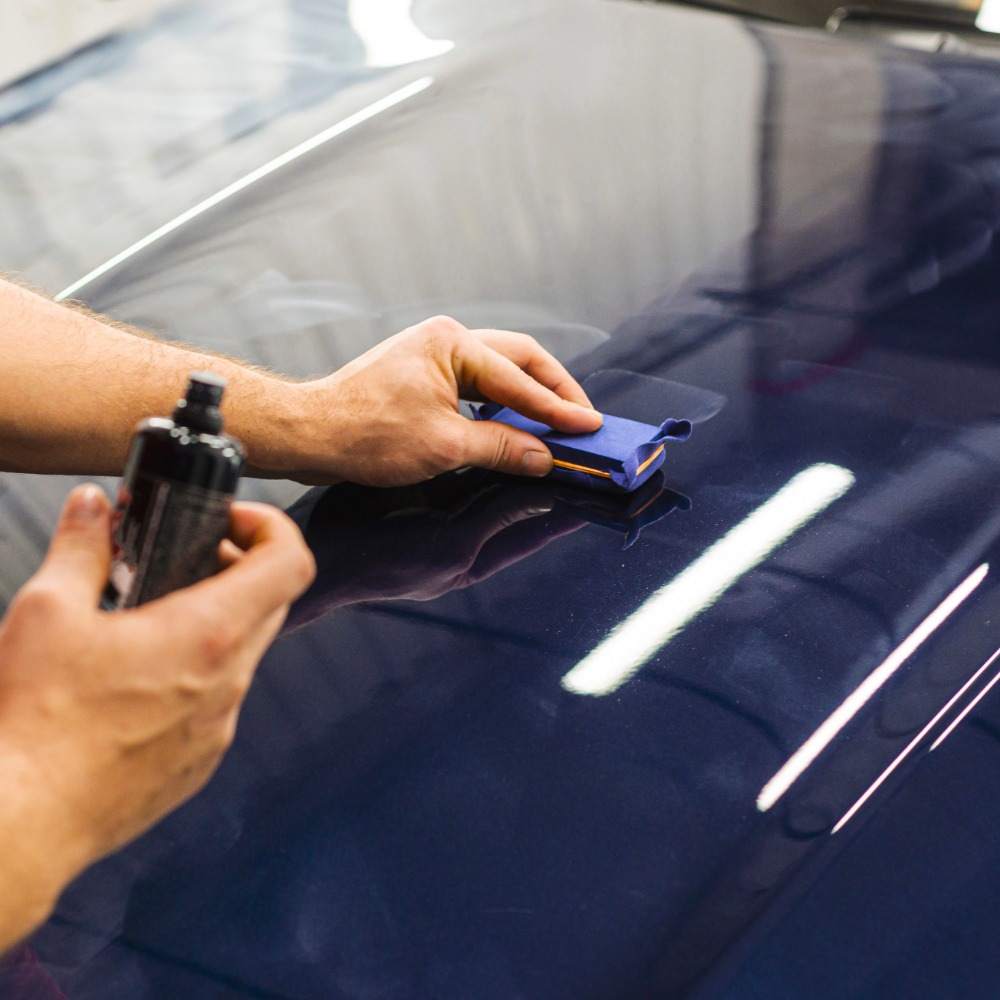
Be wary of anything that comes in a big bottle and is labeled as a ceramic, including car shampoos, interior treatments, and trim protectants. Ceramic coatings are priced so they won't come in big bottles. Those tend to be polymer sealants playing like they're ceramics.
Two subcategories:
We have two types of ceramic coatings:
Thinned/DIY: 6-12 months of protection. These are ceramics that have been thinned so they can be applied more easily—great intro to ceramics and convenient to apply.
-
Professional-grade: realistically 2-5 years. They're not bulletproof, but they can last for years when properly cared for.
Durability: Years, not weeks. Ceramics chemically bond to your car's paint.
Application: Ceramic coatings require the proper prep for proper adhesion. The paint must be polished, removing all defects, such as swirl marks, before application. Otherwise, they're locked under the coating. Longer-lasting coatings are more difficult to apply and require a certified installer. Otherwise, you'll end up with an unsightly finish.
Use case: Long-term protection with the willingness to prep properly. But if you do, you won't have to wax for a few years. Notice, I'm not saying you won't have to detail your car. You still have to wash and maintain it properly; otherwise, you will significantly shorten its lifespan.
Cost: $50-150 DIY kits, $500-2000+ professional
What About Traditional Wax?
Where does traditional wax, including carnauba and polymer sealant wax, fit? Technically, we'll call it a Level 0. It definitely doesn't equate to zero value or protection. After all, our Detailers Finest Heritage Sealant Wax is a wax–polymer-based product. But it's technology that goes back decades.
Durability: 1 to 4 months and requires more effort than modern sprays.
So where do they still fit? For those who love the ritual of waxing their car. Waxes leave a warmer finish than SiO2, and certainly warmer than ceramics, which leave a very high-gloss finish.
If your car isn't a daily driver, then it's perfectly suited. If you have a daily driver, go with a polymer sealant wax, which is more durable than a carnauba wax. Polymer sealant wax affords you more months of protection.
If you're a very busy person with a daily driver, then it's best to go with an SiO2 spray or a ceramic coating.
If you love the ritual, keep waxing. Otherwise, use the three levels of protection.
How To Choose
Level 1 if you:
Wash weekly/bi-weekly
Enjoy a regular maintenance ritual
Want a foolproof application
Daily driver protection
Budget-conscious
Level 2 if you:
Wash monthly
Want better durability than polymers
Comfortable with a slightly more involved process
Want to try "ceramic lite" without full commitment
Good balance of durability and ease
Level 3 if you:
Want years of protection
Willing to prep properly (or pay for it)
Want maximum hardness, gloss, and chemical resistance
Have a garage-kept enthusiast car, or are willing to maintain a show car
Ready for the commitment
The Honest Truth About Durability
Buzzwords can't defy reality. No matter how many technical-sounding words are on the package, reality will trump claims. Many products on the market fighting for your attention claim time spans that don't align with how most of us drive and experience our cars—road grime, parking outside, rain, snow, pollution, aggressive soaps, and so on.
A brand that under-promises and over-delivers is the winner.
And even when you have a legitimate contender in your possession, it won't do its best unless you prep and maintain it properly. So, follow the manufacturer's guidance for prep and care.
Wrap-Up
Choose the product that best meets your needs and not the one that claims to be the best. In an article to come, I'll show you how to spot those fake SiO2 products by reading the ingredients. Understanding what's in the products will help you decode what they can really do, beating marketing hype every time.
Frequently Asked Questions
Q: What are the three levels of paint protection?
The three levels of paint protection are polymer-based sprays (Level 1), SiO2 hybrid sprays (Level 2), and ceramic coatings (Level 3). Level 1 polymer sprays last 2-6 weeks and are easiest to apply, making them ideal for weekly maintenance. Level 2 SiO2 hybrids last 1-3 months and offer better durability than polymers. Level 3 ceramic coatings last 1-5 years and provide the most durable protection but require proper preparation and application. Traditional carnauba wax would be considered Level 0, lasting 1-4 months with more effort required than modern sprays.
Q: How long does ceramic coating last?
Ceramic coatings realistically last 1-5 years depending on the type and maintenance. DIY or thinned ceramic coatings last 6-12 months, while professional-grade ceramics last 2-5 years. Some manufacturers claim up to 10 years, but realistic expectations with proper care and normal driving conditions are 2-5 years for professional coatings. Ceramic coatings chemically bond to your paint and provide years of protection, but they still require proper washing and maintenance to reach their maximum lifespan.
Q: What is the difference between SiO2 spray and ceramic coating?
SiO2 hybrid sprays (Level 2) last 1-3 months and are easier to apply than ceramic coatings, while ceramic coatings (Level 3) last 1-5 years and require proper paint preparation. SiO2 sprays cost $20-35 per bottle and can be applied to wet or dry paint with minimal prep. Ceramic coatings cost $50-150 for DIY or $500-2000+ for professional application and require polished, defect-free paint for proper adhesion. SiO2 sprays offer a middle ground between polymer sprays and full ceramic coatings without the time and money commitment.
Q: Are most SiO2 car products fake?
Yes, many products marketed as SiO2 or ceramic sprays are actually polymer-based products in disguise. Very few products in the SiO2 hybrid category are formulated with actual silicon dioxide nanoparticles and polymers. Many contain siloxanes, not silicon dioxide, which makes them Level 1 polymer products masquerading as Level 2 SiO2 sprays. This marketing confusion is widespread in the car care industry, with polymer-based products making exaggerated claims about ceramic or SiO2 content to command higher prices.
Q: What is a polymer spray sealant?
Polymer spray sealants are synthetic products that use acrylic or siloxane polymers in a carrier that evaporates, leaving behind a protective film bonded to the paint. They evolved from traditional carnauba wax and realistically last 2-6 weeks with proper application. Polymer sprays are the easiest paint protection to use—simply spray on and wipe off—and cost $15-25 per bottle. They're ideal for weekly or bi-weekly maintenance after every wash and can be applied as detail sprays or water-activated drying aids.
Q: How much does ceramic coating cost?
Ceramic coating costs range from $50-150 for DIY kits to $500-2000+ for professional application. DIY ceramic coatings are thinned formulations that are easier to apply and last 6-12 months. Professional-grade ceramics require certified installers, last 2-5 years, and cost significantly more due to the expertise required for proper application and the extensive paint preparation needed. The higher cost reflects both the product quality and the labor-intensive prep work required to achieve a flawless, long-lasting finish.
Q: Which paint protection should I choose?
Choose polymer sprays (Level 1) if you wash weekly, want foolproof application, and prefer budget-friendly daily driver protection costing $15-25. Choose SiO2 hybrid sprays (Level 2) if you wash monthly, want better durability than polymers, and desire a balance between ease and protection at $20-35. Choose ceramic coatings (Level 3) if you want years of protection, are willing to prep properly or pay for professional application, and have a garage-kept enthusiast car or are committed to maintaining a show car. Your washing frequency, budget, and commitment level should guide your decision.
Q: Do I still need to wax my car with ceramic coating?
No, you don't need to wax your car after applying ceramic coating. Ceramic coatings provide years of protection without requiring additional wax applications. However, you still need to wash and maintain your car properly—ceramic coating doesn't eliminate maintenance, it just eliminates the need for waxing. Improper care will significantly shorten the coating's lifespan. You should still use proper wash techniques and may want to use polymer-based detail sprays for additional gloss between washes.
Q: What preparation is needed for ceramic coating?
Ceramic coating requires properly polished, defect-free paint for proper adhesion. The paint must be polished to remove all swirl marks, scratches, and imperfections before application, otherwise these defects will be locked under the coating permanently. This extensive prep work is why professional ceramic coating installations are expensive—the majority of the cost goes toward paint correction and preparation. DIY ceramic coatings still require clean, polished paint but may be more forgiving than professional-grade formulations.
Q: Is carnauba wax still worth using?
Carnauba wax is still worth using if you love the ritual of waxing and appreciate its warm finish, which differs from the high-gloss look of ceramics. Traditional wax lasts 1-4 months and works well for cars that aren't daily drivers. For daily drivers, polymer sealant wax offers more durability than pure carnauba. However, if you're a busy person with a daily driver, SiO2 sprays or ceramic coatings provide better protection with less maintenance. Wax remains a great choice for enthusiasts who enjoy the hands-on application process and classic finish.