- Apr 4
Extend Your Shine Between Washes
- Michael Mankarious
We’ve focused a lot on core maintenance routines, such as proper washing and general paint care. But in-between maintenance can support those core routines by making them easier to keep up and helping you put off a full wash altogether, keeping your car looking freshly detailed without starting over each time.
The first day after you wash and detail your car is as fresh and joyful as day one of a haircut —everything looks sharp, clean, and intentional. The problem is, you know it’s not going to last. Dust, pollen (especially in the spring), and road debris all pile on the first time you drive your freshly detailed car. Fingerprints from you or your passengers also appear. By day three, you’re already thinking how it doesn’t look as good as it did two days ago, even though nothing “serious” has happened to it.
So let’s work on what you can do to keep that shine going and, at the same time, make your next wash easier instead of starting from scratch every time.
Why it Matters
First, why it matters, it doesn’t matter in the sense that it offers a significant benefit to the maintenance of your car’s condition, unless you neglect it. But I don’t see that as a reason. If, on the other hand, maintaining your car between washes keeps its system on track, it’s highly recommended, because consistency is what keeps a car looking good long term, not just the occasional deep clean.
The one time it is important is if, let’s say, you regularly park under a tree that exposes your car to tree sap and bird droppings, then it’s necessary to treat between washes and not wait until your next scheduled wash. Sap can bake into your car’s paint and etch the surface, and the acidic nature of bird droppings can etch the paint quickly and, in some cases, leave permanent marks if not removed.
The Challenge
Exposure to road grime, brake dust, and bird droppings can chemically etch your paint, leaving it with permanent marks and an overall dull finish. Even light dust and pollen can start to mute your gloss surprisingly quickly. Removing it early is key to maintaining a high-gloss paint finish [and avoiding unnecessary correction later].
The Solution
A product like nextzett Perfect Shine is the fastest and easiest way to remove light dust, fingerprints, and fresh contaminants and leave a high gloss, just waxed finish that also leaves behind a light layer of protection that helps maintain your existing wax or sealant (in the case of Perfect Shine in particular) so you’re not just cleaning—you’re also reinforcing your existing protection.
This in-between maintenance process isn't about substituting proper washing; it's about maintaining results in between washes.
Step-by-Step Guide
When to Use
Don’t wait until you have a thick film of dust or pollen on your car; otherwise, you risk scratching your paint when wiping it down. This is maintenance, not recovery. So make sure it’s still a light dust. Perfect for post-commute, before a weekend drive, or anytime you want that “just detailed” look back in a few minutes.
If you can see buildup or feel grit on the surface, it’s time for a proper wash.
How to Use
Your car should be out of direct sunlight and not hot to the touch. If you don’t have a covered spot to work in, apply either early in the day or late in the evening to give yourself more working time and avoid streaking.
When applying paint, we recommend a microfiber towel with a thick pile, like the Autofiber Korean towel. A towel with a thick pile (long fibers) will draw in dust, dirt, and pollen deep into the fibers and away from the surface of your car’s paint, reducing the chance of dragging particles across the surface.
Alternatively, use a quality microfiber towel like Autofiber’s Mr. Everything Towel and keep the surface wet to avoid scratching the key is lubrication—don’t wipe dry.
On glass and trim, a towel like Mr. Everything will be fine, since the risk of scratching is much lower than on painted surfaces.
Application Technique
To minimize the risk of scratches, I like to fold my microfiber towel this way so you always have a clean side available.
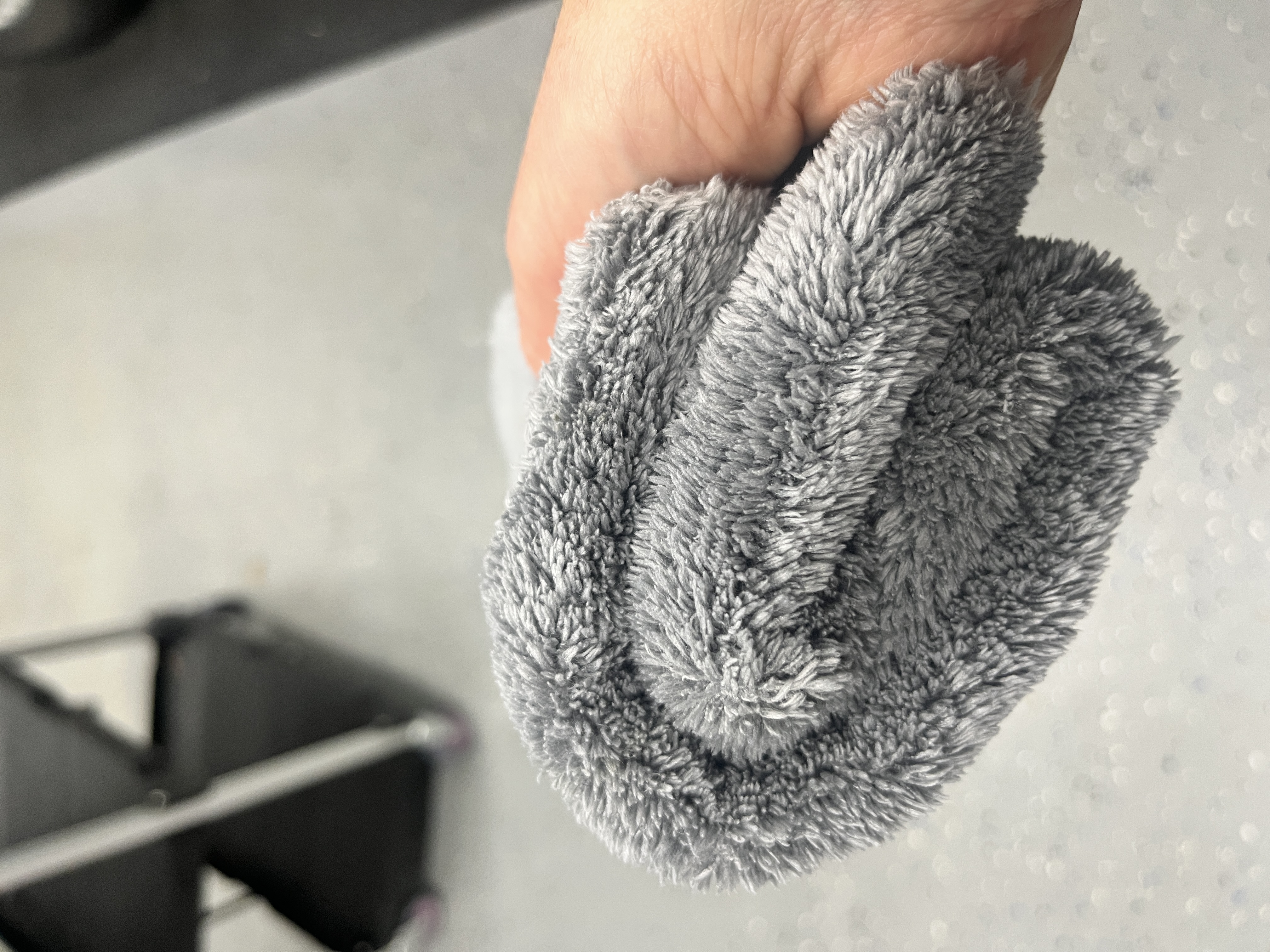
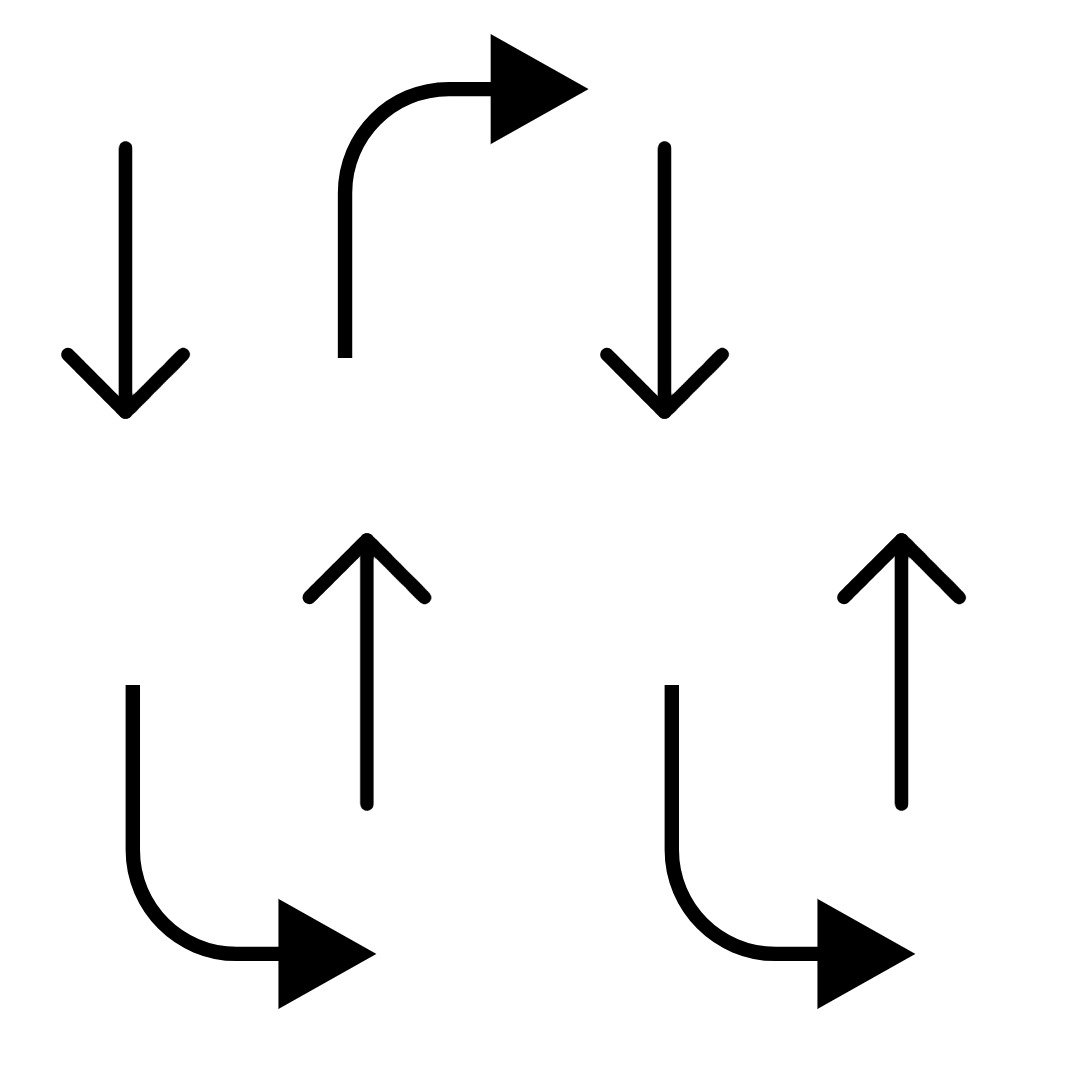
Then, without lifting the towel, wipe in an up-and-down pattern, working in straight lines rather than circles. Once I complete a panel, I can wipe down the entire panel as I normally would. By following this method, you reduce surface scratching while removing the majority of pollen and dust before your final wipe.
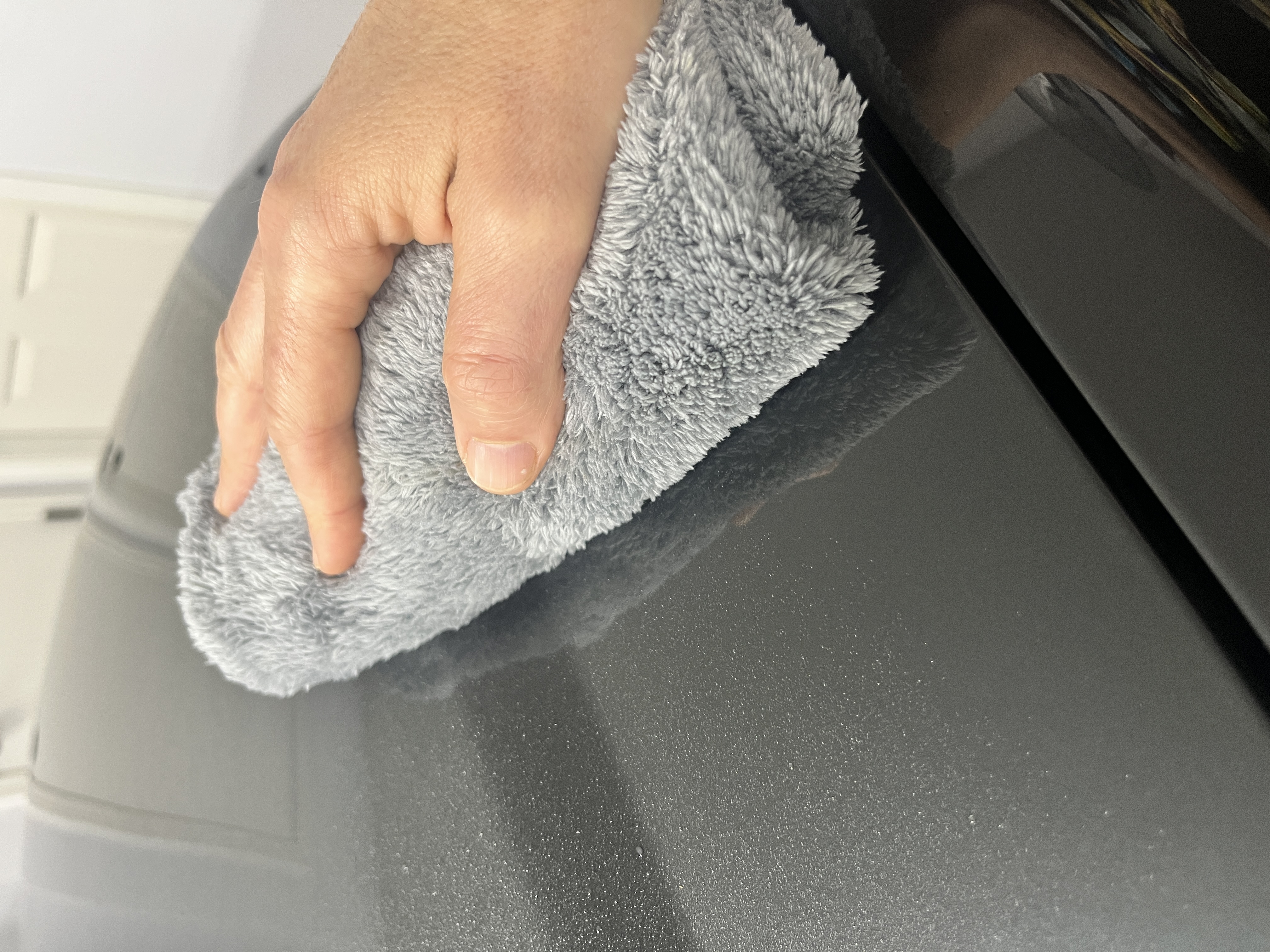
This is the same technique used for waterless car washing. And while there should be a lot less road grime than you would if you were waterless washing, it’s still a good precautionary technique to apply because the risk is the same—moving debris across paint. There should be significantly less contamination than in a true waterless wash, which is why this works best for light maintenance, not as a substitute for washing. On all other surfaces, such as plastic and glass, wipe down as you normally would.
The Result
These quick wipe-downs will reduce how often you need a full wash, make each wash easier, and keep your car consistently at a higher standard. It doesn’t mean you can eliminate a proper wash. You’ll still need to wash away road grime, hard water spots, and other contaminants that a detail spray isn't designed to remove, but you’ll notice each wash is easier and faster.
What you’re really doing here isn’t just cleaning—you’re restoring the look of a freshly detailed car in minutes.
Conclusion
I encourage you to try to do this between washes. Especially helpful in the drier months when it’s not raining, or during high-pollen seasons when buildup happens quickly.
Combine regular washes, a good protective coating, and you’ll find the required effort to maintain a professional detail finish reduced, and your car will look “done” more often than not.
Frequently Asked Questions
Q: How do you maintain car shine between washes?
Maintain car shine between washes using detail spray to remove light dust, fingerprints, and fresh contaminants while leaving behind light layer of protection. Products like nextzett Perfect Shine restore gloss and reinforce existing wax or sealant. Use thick pile microfiber towel to draw dust deep into fibers away from paint surface. This isn't substituting proper washing—it's maintaining results in between washes and making each full wash easier.
Q: When should you use detail spray between washes?
Use detail spray when you have light dust or fingerprints—not thick film of buildup. Perfect for post-commute, before weekend drive, or anytime you want "just detailed" look back in minutes. Don't wait until you have thick dust or can feel grit on surface. If you see heavy buildup or feel grit, it's time for proper wash. This is maintenance, not recovery.
Q: Can detail spray replace washing your car?
No, detail spray cannot replace washing—you'll still need to wash away road grime, hard water spots, and other contaminants that detail spray isn't designed to remove. In-between maintenance supports core washing routine by making washes easier and helping you put off full wash, but it's not a substitute. Consistency is what keeps car looking good long-term, not just occasional deep clean.
Q: What microfiber towel is best for detail spray?
Use thick pile microfiber towel like Autofiber Korean towel for painted surfaces—long fibers draw dust, dirt, and pollen deep into towel away from paint, reducing chance of scratching. Alternatively, use quality towel like Mr. Everything and keep surface wet to avoid scratching—key is lubrication, don't wipe dry. On glass and trim, standard towel is fine since scratch risk is much lower than on paint.
Q: How do you apply detail spray without scratching paint?
Apply detail spray out of direct sunlight on cool surface. Fold microfiber towel to always have clean side available. Wipe in up-and-down pattern in straight lines rather than circles, working panel by panel. Keep surface wet with product—key is lubrication. This waterless washing technique reduces surface scratching by removing majority of pollen and dust before final wipe. Don't lift towel mid-panel to avoid dragging particles.
Q: Why does car look dull after a few days?
Car looks dull after few days because dust, pollen, road debris, and fingerprints accumulate starting first time you drive freshly detailed car. Light dust and pollen can mute gloss surprisingly quickly. By day three, noticeable difference appears even though nothing "serious" happened. Removing contamination early is key to maintaining high-gloss finish and avoiding unnecessary correction later.
Q: When is between-wash maintenance necessary?
Between-wash maintenance is necessary if you regularly park under tree exposing car to sap and bird droppings—don't wait until next scheduled wash. Sap can bake into paint and etch surface, and acidic bird droppings can etch paint quickly, sometimes leaving permanent marks if not removed. In these cases, treat contamination immediately between washes. For normal daily driving, it's optional but helps maintain consistency.
Q: What does detail spray actually do?
Detail spray removes light dust, fingerprints, and fresh contaminants while leaving high gloss, just-waxed finish. Quality products also leave behind light layer of protection that helps maintain existing wax or sealant—you're not just cleaning, you're reinforcing existing protection. This makes next wash easier and faster while keeping car consistently at higher standard. You're restoring look of freshly detailed car in minutes.
Q: How often should you use detail spray?
Use detail spray as needed between regular washes—especially helpful in drier months when it's not raining or during high-pollen seasons when buildup happens quickly. Frequency depends on your environment and how quickly dust accumulates. If car gets light daily dust from parking outside, quick wipe-down few times weekly maintains fresh look. Combine with regular washes and good protective coating for reduced maintenance effort overall.
Q: Does detail spray make washing easier?
Yes, regular detail spray use reduces how often you need full wash and makes each wash easier and faster. By removing light contamination before it bonds to paint, you prevent buildup that requires aggressive cleaning. The light protection layer also helps existing wax or sealant last longer, creating self-cleaning effect. You'll notice car stays cleaner longer and requires less scrubbing during proper washes.