- Sep 8, 2025
Detail Hack: How to Use a Self-Service Carwash to Detail Like a Pro
- Michael Mankarious
Turn Coin-ops Into Your Secret Detailing Bay
It's easy to think of self-service carwashes as second-rate; the kind of place people go when they're short on time or space. With a bit of know-how, you can transform an average self-wash bay into your own professional-level detailing bay.
With more people living in apartments, rising water restrictions, and limited driveway space, self-service bays can provide everything you need to get a great car detail without the drawbacks of automatic carwashes.
But how do you avoid the risks (like harsh soaps and scratch-inducing brushes) while maximizing the benefits?
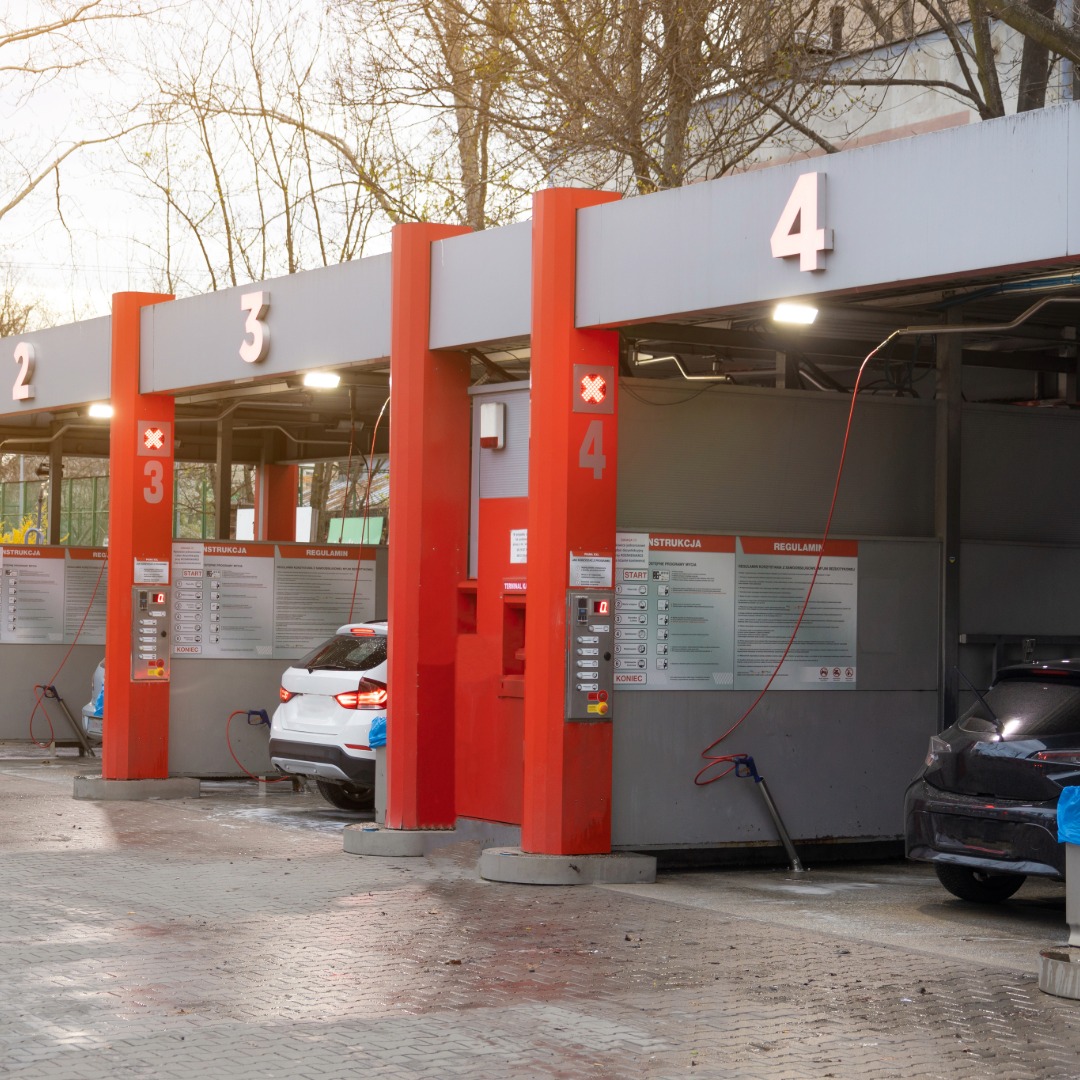
The Case for Self-Service Carwashes
Many years ago, I would dismiss coin-ops as a place for people who wanted to wash their car quickly and were looking for the cheapest solution. I'd drive by and inevitably see that one person taking the scratch-inducing wheel brush and scrub down their whole vehicle with it. I still see that, but many years ago, when I lived in an apartment, I had no choice but to use one if I wanted my car looking its best. So when I went to visit one (and your experience might vary), I was pleasantly surprised.
Here are my favorite aspects of self-service carwashes:
Access to a high-pressure rinse without the need to purchase your own pressure washer.
Spot-free rinse: especially valuable if you live in a hard-water, high-heat area (like Texas). The rinse water is treated, ensuring a spot-free finish every time, so you don't need to worry about hard water spots.
Budget-friendly compared to full-service washes with none of the scratches.
They open early and stay open late for convenience.
You can use your own quality detailing tools, knowing that they are safe to use on your vehicle.
Great option if you don't have a driveway or the space to wash your vehicle.
Wash off heavy contamination (think off-road mud) without clogging up your driveway.
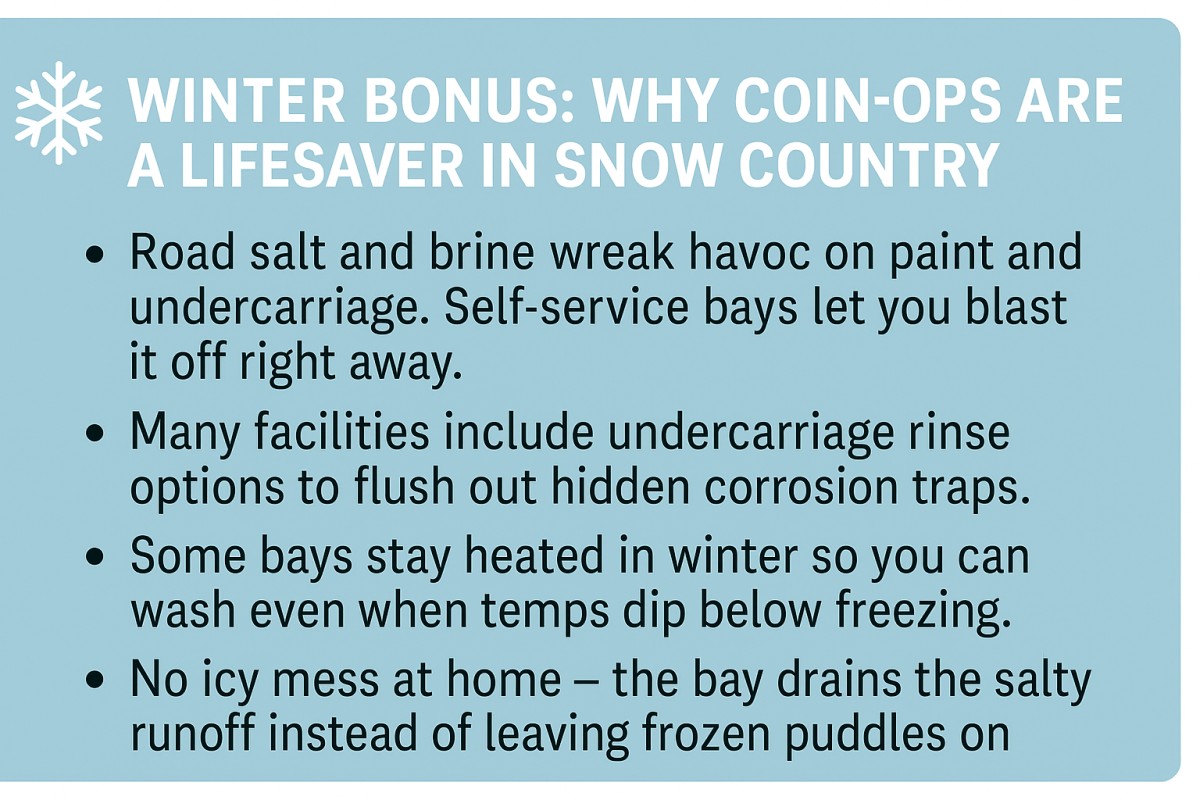
In snow regions, coin-op bays let you rinse away road salt all winter without freezing your driveway.
What to Watch Out For
Harsh car wash soap can strip wax and sealants, causing paint to dull over time.
-
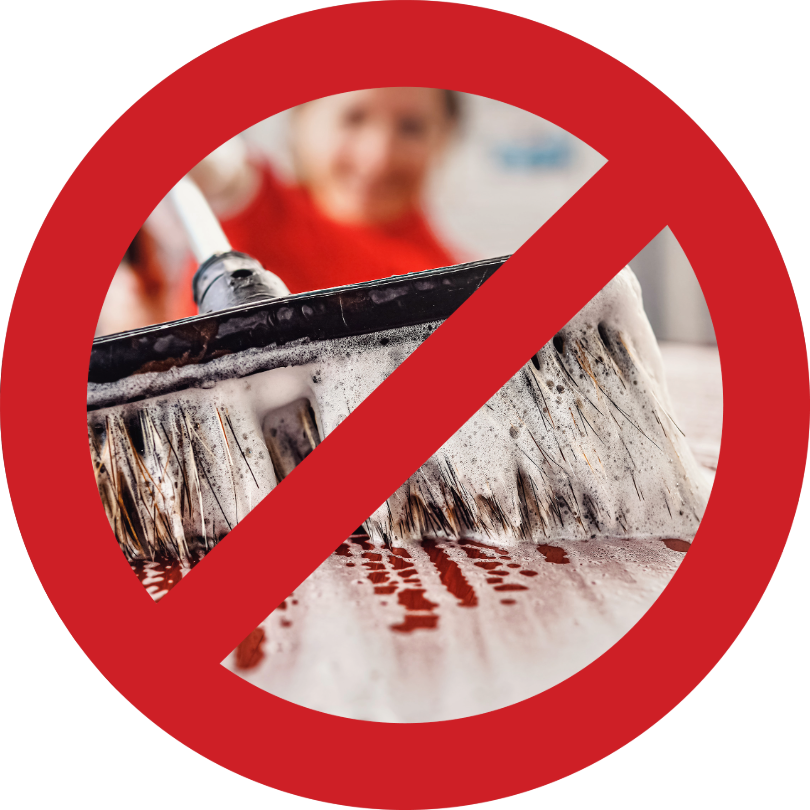
Do not use the wash brush provided, as it is intended for cleaning wheels but is neither safe for your wheels nor suitable for cleaning your car, which is a common use for them. That brush was probably used to remove off-road mud, so you don't want it touching your car's paint. They will scratch your paint easily.
Time pressure: Your time is constrained by the allotted time provided by the bay. You'll need to develop your own system to maximize your time; otherwise, you'll have to add more funds continually. After the first time, you'll figure it out.
You might have to wait during peak hours. When it's your turn, be mindful of others and don't block the bay. It's just good etiquette.
How to Detail Like a Pro in a Self-Service Bay
Get Ready: Bring the following products and detailing tools with you.
Microfiber wash mitt
Wheel brush
Microfiber drying towel
Microfiber towels
Quality car shampoo
Wash bucket
Wheel Cleaner (optional)
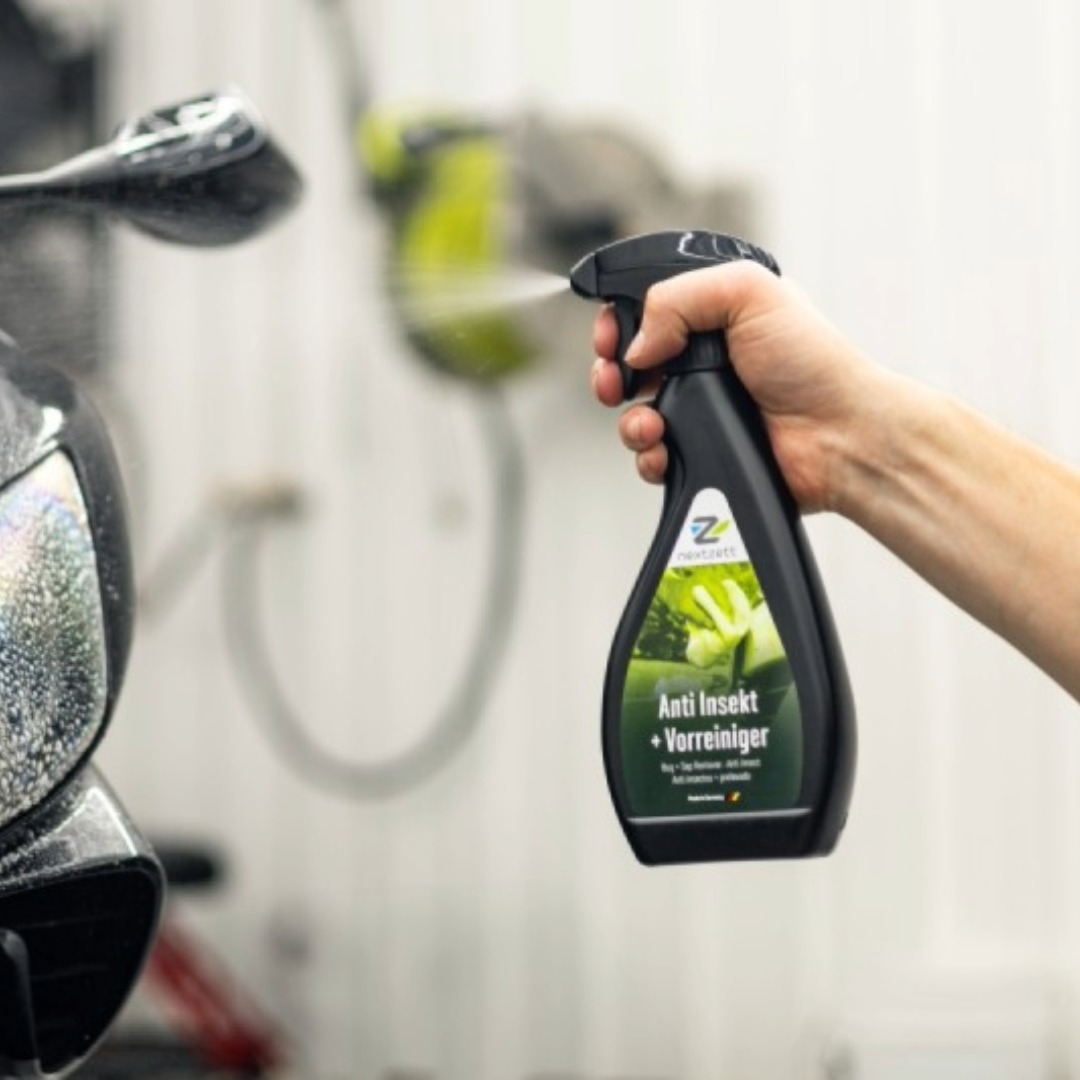
Bug and sap remover (optional)
Vacuum: If the facility provides vacuums (usually outside the bay), clean your interior first. Do this before washing, as dust may kick up. Then pull into the wash bay.
Pre-Clean: If permitted by the facility, apply wheel cleaner or bug remover before beginning. These products are most effective on dry surfaces.
Bucket Prep: Some bays post signs about "no outside chemicals," so check your location's rules. If allowed, top off your wash bucket with the high-pressure gun. Otherwise, prep your bucket at home with water and shampoo, seal it with a lid, and bring it with you.
Rinse First: Begin with a high-pressure rinse to remove loose dirt before touching the paint.
Skip the Soap Cycle: Wash your car with your own soap and wash mitt, not the bay's soap and brush.
Final Rinse: Switch to a spot-free rinse (if available) to thoroughly rinse the vehicle. If possible, spray a drying aid sealant, such as Nextzett Pearl Seal or an SiO2 ceramic-based sealant, and then spray and rinse again.
Drying: Use your own microfiber drying towel to wipe down and dry your vehicle.
Glass Cleaning: Once the car is dry, wipe down the windows and mirrors with a glass cleaner and microfiber towel. This prevents water spots and provides clear visibility.
Touch Ups: If the facility offers a designated area for final touch-ups outside the wash bay, that's where you'll spray down with a detail spray and wipe off any remaining water. Apply tire dressing and treat all exterior plastic trim with a trim protectant.
Pro Tips to Maximize Results
Go early morning or late evening to avoid crowds.
Use leftover rinse cycles to fill a bucket.
Keep products in a small caddy to move quickly.
Wipe door jambs and trim before leaving.
Apply tire dressing or quick detail spray after you pull out of the bay to avoid hogging space.
Takeaway
If space is an issue, a self-service carwash can help you achieve your detailing goals. With the right approach, it can be your personal detailing bay. The first time you visit, you may not get your system down pat. However, after a couple of more visits, you'll have your rhythm down and will figure out where you can fine-tune.
A self-service bay isn't second-best. It's a hidden pro detailer's hack.
Frequently Asked Questions
Q: How do you use a self-service car wash?
To use a self-service car wash like a pro: vacuum the interior first, pre-clean wheels and bugs if allowed, bring your own wash bucket with quality soap, start with a high-pressure rinse to remove loose dirt, wash with your own microfiber mitt (skip the bay's brush and soap), use the spot-free rinse if available, dry with your own microfiber towel, and finish with glass cleaning and detail spray outside the bay. Bring microfiber wash mitts, drying towels, wheel brush, quality car shampoo, and a wash bucket for best results.
Q: What should I bring to a self-service car wash?
Bring these essential items to a self-service car wash: microfiber wash mitt, quality car shampoo in a wash bucket, microfiber drying towel, additional microfiber towels, wheel brush, wheel cleaner (optional), and bug and sap remover (optional). Keep products organized in a small caddy to move quickly. Some facilities prohibit outside chemicals, so check rules before bringing soap. You can prep your bucket at home with water and shampoo, seal it with a lid, and bring it ready to use.
Q: Should you use the brush at a self-service car wash?
No, never use the brush provided at self-service car washes on your car's paint. These brushes are intended for wheels but aren't even safe for that purpose. The brush has likely been used to remove off-road mud from previous vehicles and will easily scratch your paint. Always bring your own microfiber wash mitt for the car body and a dedicated wheel brush for wheels. Using the facility's brush is one of the quickest ways to create swirl marks and scratches on your paint.
Q: What are the benefits of self-service car washes?
Self-service car washes offer several advantages: access to high-pressure rinse without buying a pressure washer, spot-free rinse that prevents hard water spots (especially valuable in hard-water areas), budget-friendly compared to full-service washes with no scratch risk, early opening and late closing hours for convenience, ability to use your own quality detailing tools safely, perfect solution for apartment dwellers without driveways, easy removal of heavy contamination like off-road mud, and the ability to rinse road salt all winter in snow regions without freezing your driveway.
Q: Can you bring your own soap to a self-service car wash?
It depends on the facility—some self-service car washes post signs prohibiting outside chemicals, while others allow it. Check your location's posted rules before bringing your own soap. If allowed, bring a wash bucket pre-filled at home with water and quality car shampoo, sealed with a lid. If outside soap isn't permitted, you can top off your bucket using the facility's high-pressure gun. Using your own quality car shampoo is ideal because the bay's soap can be harsh and strip wax and sealants.
Q: What is spot-free rinse at car wash?
Spot-free rinse is treated water that ensures a spot-free finish without hard water deposits. This feature is especially valuable if you live in hard-water, high-heat areas like Texas. After washing with soap, switch to the spot-free rinse setting to thoroughly rinse your vehicle. If possible, spray a drying aid sealant like Nextzett Pearl Seal or an SiO2 ceramic-based sealant, then spray spot-free rinse again for best results. This eliminates the need to worry about hard water spots that normally require extra drying effort.
Q: How do you maximize time at a self-service car wash?
Maximize your time by: going early morning or late evening to avoid crowds, using leftover rinse cycles to fill your wash bucket, keeping products organized in a small caddy for quick access, developing a systematic approach after your first visit, vacuuming the interior before entering the bay, pre-applying wheel cleaner or bug remover on dry surfaces if allowed, and saving detail spray and tire dressing application for after you pull out of the bay. After your first visit, you'll develop a rhythm and figure out where to fine-tune your system.
Q: Are self-service car washes safe for your car?
Yes, self-service car washes are safe for your car when you bring your own tools and avoid the facility's brush and harsh soap. The main risks are using the scratch-inducing wheel brush on your paint and using the bay's soap that can strip wax and sealants. By bringing your own microfiber wash mitt, quality car shampoo, and drying towels, you eliminate these risks. Self-service bays are actually safer than automatic brush car washes because you control what touches your paint, making them a pro detailer's hidden hack.
Q: What order should you wash your car at a self-service car wash?
Follow this order at self-service car washes: vacuum the interior first (dust may kick up), pull into the wash bay, pre-clean wheels and bugs on dry surfaces if allowed, prep your wash bucket with high-pressure gun or use pre-filled bucket from home, start with high-pressure rinse to remove loose dirt, wash with your own soap and mitt (skip the bay's soap cycle), use spot-free rinse to thoroughly rinse, dry with your own microfiber towel, clean glass with glass cleaner and microfiber towel, then pull out and apply detail spray and tire dressing in a designated area to avoid hogging space.
Q: When is the best time to go to a self-service car wash?
The best time to go to a self-service car wash is early morning or late evening to avoid crowds and waiting. During peak hours you might have to wait for your turn, and you should be mindful of others by not blocking the bay once you're finished. Going during off-peak times gives you more relaxed working conditions and reduces the pressure to rush. After your first visit, you'll develop an efficient system that allows you to complete the wash without constantly adding more funds.